Google AI Glasses: Release Date, Features and What to Expect
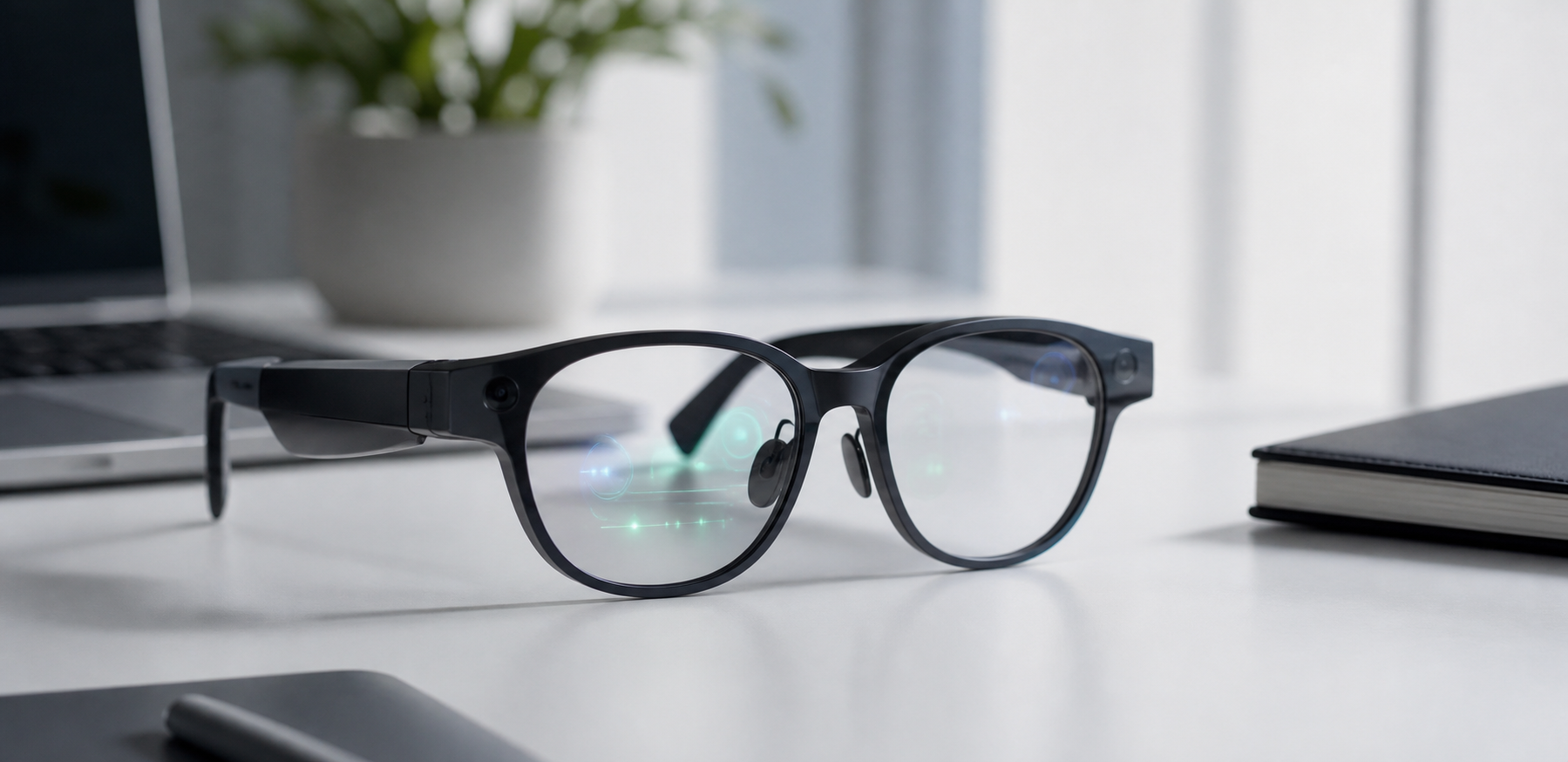
Google AI Glasses are one of the most important upcoming products to watch in smart eyewear, but buyers need to separate what has been announced from what is still unknown. Google has shown Gemini-powered intelligent eyewear as part of its Android XR direction and has named partners including Warby Parker, Gentle Monster, Samsung, and Qualcomm. Warby Parker also says it is working on intelligent eyewear with Google and Samsung.
Quick summary: As of June 7, 2026, Google has not announced a final consumer release date, price, complete specifications, battery life, prescription program, or full product lineup for Google AI Glasses. The confirmed story is the platform direction: Gemini, Android XR, eyewear partners, and a push toward intelligent glasses that can deliver more natural AI assistance.
What Google Announced
Google’s Android XR messaging is about bringing Gemini into new device types, including headsets and glasses. The eyewear angle matters because glasses could make AI assistance more immediate than a phone. Instead of pulling out a device, the user could ask questions, receive visual or audio help, translate information, or interact with context through a wearable interface.
The key point for buyers is that Google has shown the direction, not a finished spec sheet. Any article claiming exact launch price, final battery life, camera resolution, or complete model names should be treated carefully unless it points to an official Google or partner announcement.
Expected Features
Based on Google’s public direction, buyers should expect Google AI Glasses to focus on AI assistance first. The likely feature categories include:
- Gemini assistant features: voice-first help, contextual answers, and AI-powered task support.
- Android XR integration: deeper connection with Android devices and XR software.
- Visual assistance: potential help with understanding what the wearer sees, depending on camera and privacy design.
- Translation and captions: likely interest areas for AI eyewear, though final language and region support must be confirmed.
- Lightweight information: notifications, navigation, prompts, or other glanceable assistance if display hardware is included.
- Partner eyewear design: frames from eyewear partners could help the product look less like a bulky headset.
These are expectations, not final specifications. Until Google and partners publish product pages, treat them as buyer-watch items rather than confirmed buying criteria.
Partners to Watch
Google has connected its intelligent eyewear story with several major partners. Warby Parker is especially important because it is a consumer eyewear brand with retail experience and prescription familiarity. Gentle Monster matters for fashion-forward frames. Samsung matters because of Android XR hardware and ecosystem ambitions. Qualcomm matters because smart glasses need efficient chips, connectivity, sensors, and battery-aware processing.
The partnership strategy suggests Google does not want AI glasses to feel like one isolated gadget. The stronger long-term play is an ecosystem of frames, Android devices, AI services, and hardware partners.
Release Date: What Is Known?
No final consumer release date has been confirmed in the sources reviewed for this article. Google has shown the platform and partner direction, while Warby Parker has confirmed that intelligent eyewear work is underway with Google and Samsung.
That means buyers should avoid pre-order assumptions. If a product page, carrier listing, or retailer page appears later, it still needs to be checked against official Google, Samsung, Warby Parker, or partner communications.
Price: What Should Buyers Expect?
There is no official consumer price yet. Pricing could vary widely depending on whether the glasses include cameras, displays, prescription lens support, AI service features, premium frames, or phone/carrier bundles.
For now, compare the category rather than guessing a number. Camera smart glasses can sit closer to premium eyewear pricing. Display glasses can cost more depending on optics and accessories. AI glasses that combine normal-looking frames, display hardware, cameras, and advanced assistant features could be positioned differently.
Should You Wait for Google AI Glasses?
Wait if: you are an Android user, care most about Gemini, want an AI-first wearable interface, or are not satisfied with today’s separation between camera glasses and display glasses.
Buy now if: you already know you need hands-free camera capture, open-ear audio, or wearable screen use. Current Ray-Ban Meta, XREAL, VITURE, Rokid, and Even Realities-style products already serve specific use cases.
Do not buy blindly if: you need prescription support, regional language support, workplace approval, or clear privacy controls. Those details need official confirmation for any final product.
Google AI Glasses vs Ray-Ban Meta
The comparison is not one-to-one yet because Ray-Ban Meta is a real consumer product while Google AI Glasses remain an upcoming platform direction. Ray-Ban Meta is the better buy-now option for photos, short video, open-ear audio, and Meta AI features. Google AI Glasses may become more compelling for Android users if Gemini and Android XR make the assistant experience deeper and more contextual.
Read the full comparison: Google AI Glasses vs Ray-Ban Meta.
Related Reading
What Is Still Unknown?
- Final product name or model lineup
- Release date and launch countries
- Price and subscription model, if any
- Camera specifications
- Display type, field of view, and brightness
- Battery life and charging case design
- Prescription lens options
- Privacy indicator behavior
- How visual data and AI requests are stored or processed
- Which features will work offline, on-device, through a phone, or in the cloud
FAQ
Are Google AI Glasses available now?
Not as a finalized consumer product in the sources reviewed for this article. Google has shown the intelligent eyewear direction and partner ecosystem, but final availability still needs an official product launch.
Will Google AI Glasses use Gemini?
Google’s public Android XR direction places Gemini at the center of intelligent eyewear experiences, so Gemini is the key AI platform to watch.
Who is making Google AI Glasses?
Google has named partners including Warby Parker, Gentle Monster, Samsung, and Qualcomm in the broader intelligent eyewear context. Final product responsibilities may vary by model and launch plan.
Should I buy Ray-Ban Meta or wait for Google?
Buy Ray-Ban Meta if you want a real product today for camera capture, audio, and Meta AI features. Wait for Google if your main interest is Android XR, Gemini, and upcoming AI-first eyewear.
Sources
- Google Blog: Android XR and intelligent eyewear announcement
- Warby Parker: Intelligent Eyewear
- Samsung Newsroom: Android XR ecosystem coverage
- Qualcomm Snapdragon XR product information