Best AI Glasses in 2026: Top Smart Glasses Compared
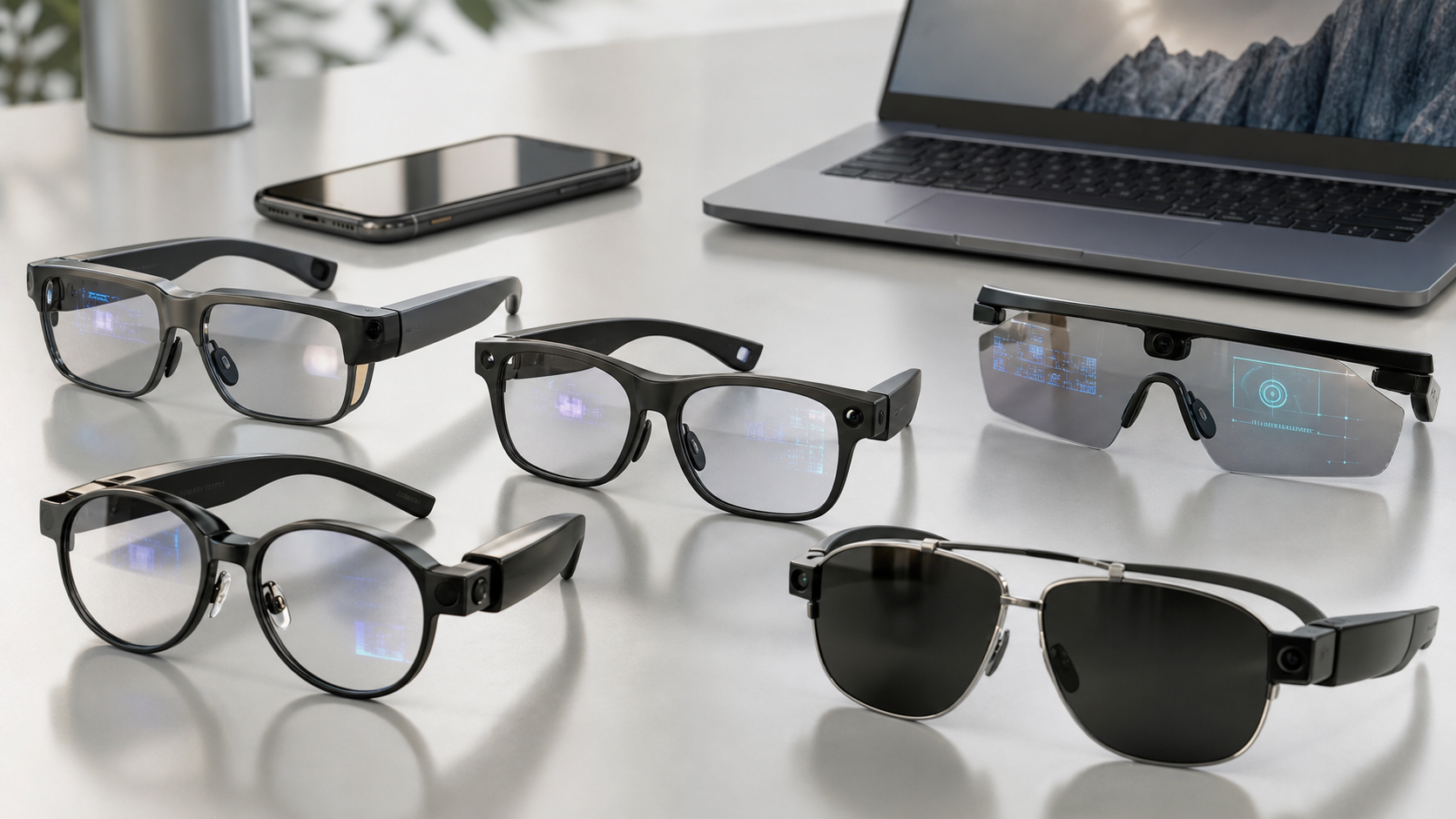
The best AI glasses in 2026 are not all trying to solve the same problem. Some are camera-first smart glasses for hands-free photos, short video, calls, and AI assistant features. Others are display-first glasses for media, gaming, travel, and productivity. A newer group is focused on lightweight text overlays, translation, and everyday information.
Quick answer: Ray-Ban Meta is the strongest mainstream choice for buyers who want stylish camera smart glasses today. XREAL and VITURE are better if your priority is a wearable screen. Even Realities is worth watching for a minimal display-first experience. Google AI Glasses are the most important upcoming category to monitor, but buyers should not treat them as a finished product until Google and its partners announce final price, specs, and availability.
Quick Picks
- Best mainstream AI smart glasses: Ray-Ban Meta, especially for camera capture, open-ear audio, and Meta AI features.
- Best upcoming AI eyewear platform: Google AI Glasses, based on Google’s Gemini and Android XR direction.
- Best wearable display category: XREAL One / XREAL One Pro style display glasses for screen replacement use.
- Best media and gaming category: VITURE XR glasses for portable entertainment and device-connected viewing.
- Best minimal display concept: Even Realities G1 for users who want discreet glanceable information instead of a camera-first device.
- Best privacy-conscious starting point: Display glasses without cameras, if you do not need capture features.
What Counts as AI Glasses?
For this guide, AI glasses means eyewear that includes at least one of these capabilities: an AI assistant, voice interaction, camera-based AI understanding, translation, contextual information, or a display experience that can work with AI-powered apps.
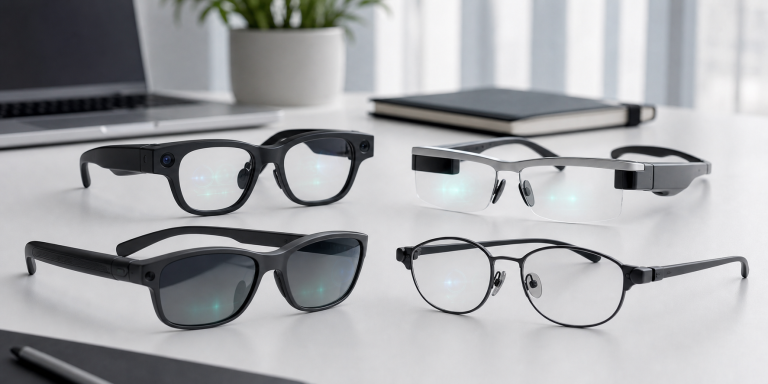
That definition includes several product types:
- Camera AI glasses, such as Ray-Ban Meta, that use cameras, microphones, speakers, and an assistant.
- Display or AR glasses, such as XREAL, VITURE, and Rokid-style products, that act as wearable screens or spatial displays.
- Minimal smart display glasses, such as Even Realities-style products, that focus on text prompts, translation, notifications, or navigation cues.
- Upcoming intelligent eyewear, including Google and partner products that are expected to combine Gemini, Android XR, and normal-looking frames.
Best Overall for Most Buyers: Ray-Ban Meta
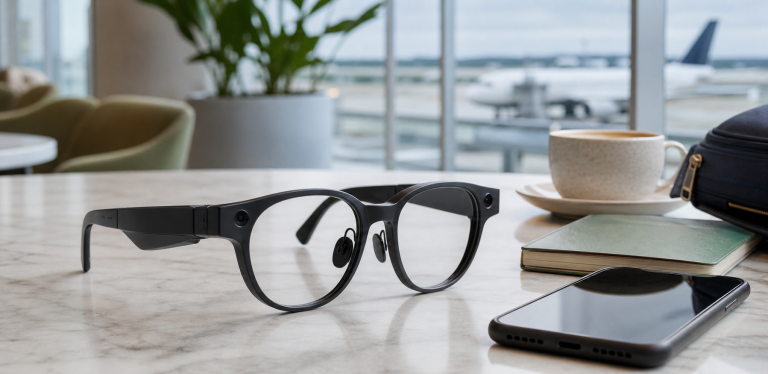
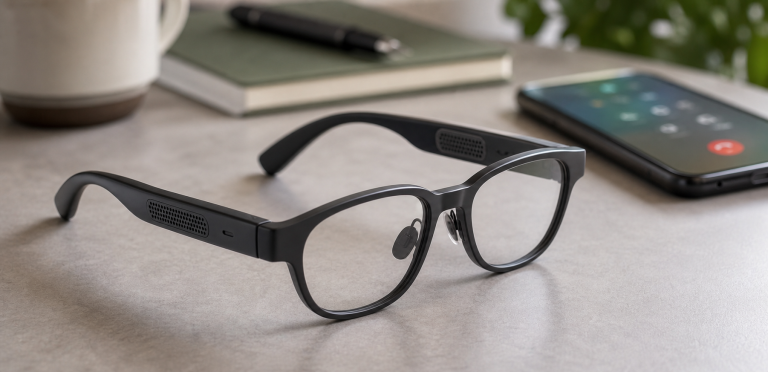
Ray-Ban Meta is the easiest recommendation for buyers who want AI smart glasses that feel like a finished consumer product. The appeal is simple: the frames look familiar, the camera is useful for short first-person moments, open-ear audio is convenient for calls and podcasts, and Meta AI gives the product a clearer assistant angle than older smart glasses.
It is not the right choice if you want a display in front of your eyes. Ray-Ban Meta is better understood as camera and audio smart glasses with AI features, not as AR glasses. That makes it strongest for travel clips, family moments, calls, walking, commuting, and quick assistant use.
Buy it if: you want stylish everyday smart glasses with a camera and voice assistant features.
Skip it if: you want a wearable screen, private movie display, or text overlays in the lenses.
Start with our Ray-Ban Meta brand hub and the upcoming Ray-Ban Meta specs review before buying.
Best Upcoming AI Platform: Google AI Glasses
Google’s intelligent eyewear direction matters because Gemini and Android XR could make AI glasses feel less like accessories and more like a new Android interface. Google has shown Gemini-powered eyewear concepts and has named partners including Warby Parker, Gentle Monster, Samsung, and Qualcomm.
That does not mean buyers should assume a finished product exists today. As of June 7, 2026, final consumer price, release timing, battery life, camera specs, display specs, prescription options, and regional availability still need official confirmation.
Wait for Google AI Glasses if: you are an Android user and your main interest is next-generation assistant features, translation, contextual help, and an AI-first interface.
Do not wait if: you need smart glasses now for camera capture or a wearable display. Current products already cover those use cases better than an unreleased product can.
Read our Google AI Glasses hub and Google AI Glasses release guide for updates.
Best Display Glasses Category: XREAL
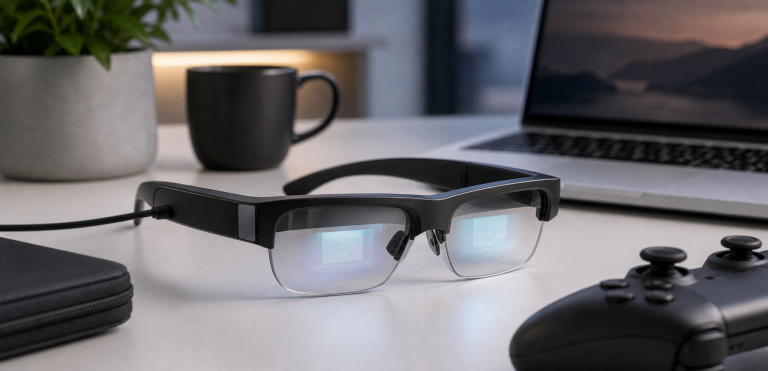
XREAL-style glasses are best for people who want a wearable screen rather than a camera assistant. They are useful for watching video, connecting to compatible phones or computers, working with a larger virtual display, and using spatial display features depending on the model and accessory setup.
The buying decision here is mostly about compatibility. Check whether the model works with your phone, laptop, gaming device, or adapter before buying. Also check whether you need prescription inserts or lens customization.
Choose XREAL if: your priority is screen replacement, travel entertainment, gaming, or productivity display use.
Skip it if: you want a normal-looking pair of glasses with a camera and voice-first AI assistant.
See our XREAL brand hub and display glasses guide.
Best Media and Gaming Category: VITURE
VITURE is another strong display-first option for buyers who want XR glasses for entertainment, gaming, and portable screen use. Like XREAL, the strongest use case is not hands-free capture. It is replacing or supplementing a screen when you are traveling, gaming, watching movies, or working from a compact setup.
Choose VITURE if: your main goal is a personal viewing setup for media or games.
Skip it if: you want camera recording, voice capture, or a socially subtle AI assistant device.
Compare models in our VITURE brand hub and the smart glasses comparison chart.
Best Minimal Display Concept: Even Realities
Even Realities is interesting because it points toward a quieter version of smart glasses: lightweight frames with glanceable information rather than a camera-first product. This direction may appeal to people who want navigation, translation, notes, or prompts without wearing a visibly camera-focused device.
The tradeoff is that minimal display glasses usually cannot replace a full AR or XR display. They are better for short information moments than for movies, gaming, or complex spatial apps.
See the Even Realities brand hub for the latest positioning and buyer notes.
How to Choose
- Need photos and short video? Start with camera smart glasses such as Ray-Ban Meta.
- Need a wearable screen? Look at XREAL, VITURE, Rokid, and other display glasses.
- Need translation and assistant features? Check current language support carefully; availability can vary by region.
- Need privacy-friendly eyewear? Consider camera-free display glasses or minimal display products.
- Need prescription lenses? Confirm official prescription support before buying.
- Need all-day use? Verify battery life for your actual task, not just marketing claims.
Buying Advice
Buy now if you have a clear use case that already exists: first-person capture, open-ear calls, portable movie viewing, gaming, or travel screen use. Wait if your main interest is a truly integrated AI assistant that sees, hears, translates, remembers context, and works naturally with your phone ecosystem.
For most buyers, the safest path is to decide between two categories first: AI glasses vs AR glasses. Then use the comparison chart to narrow the product list.
FAQ
What are the best AI glasses in 2026?
Ray-Ban Meta is the most complete mainstream option for camera and assistant features. XREAL and VITURE are better for wearable display use. Google AI Glasses are important to watch but should be treated as upcoming until final consumer details are announced.
Should I buy AI glasses now or wait for Google?
Buy now if you need camera smart glasses or display glasses today. Wait if your priority is a deeper Gemini and Android XR experience.
Do AI glasses have displays?
Some do and some do not. Ray-Ban Meta-style glasses do not work like display glasses, while XREAL and VITURE-style products are built around wearable screens.
Are camera smart glasses a privacy risk?
They can be. Check the recording indicator, privacy settings, upload behavior, and local rules before using camera smart glasses in public or work environments.
Sources
- Google Blog: Android XR and Gemini intelligent eyewear announcement
- Warby Parker: Intelligent Eyewear
- Meta AI Glasses official information
- Ray-Ban Meta official product information
- XREAL official product information
- VITURE official product information
- Even Realities official product information