Smart Glasses Recording Lights and Consent: What Buyers Should Know
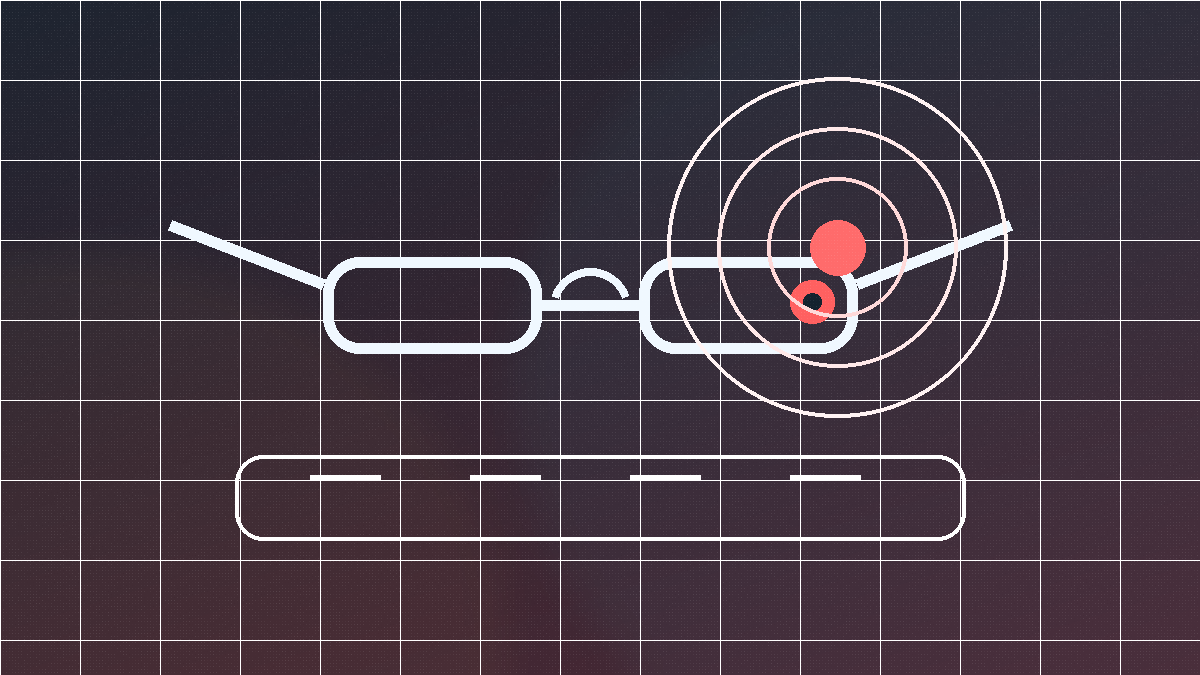
Smart glasses recording lights are one of the most important trust signals for camera-equipped AI glasses. They help people nearby understand when glasses may be capturing photos, video, or audio. But a light alone does not solve consent, workplace, school, or local law questions.
Quick answer: Treat recording lights as a minimum signal, not full permission. Before recording, understand your device’s capture indicators, follow local recording laws, avoid private settings, and ask for consent when reasonable.
Important: This article is general buying and privacy guidance, not legal advice. Recording laws vary by country, state, workplace, school, and setting.
What Is a Smart Glasses Recording Light?
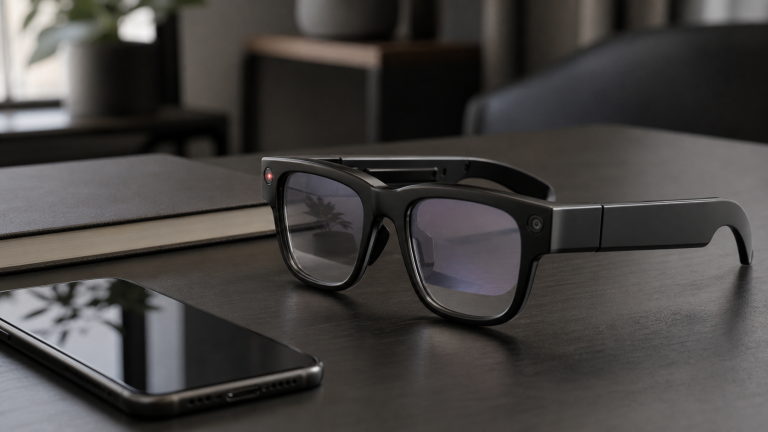
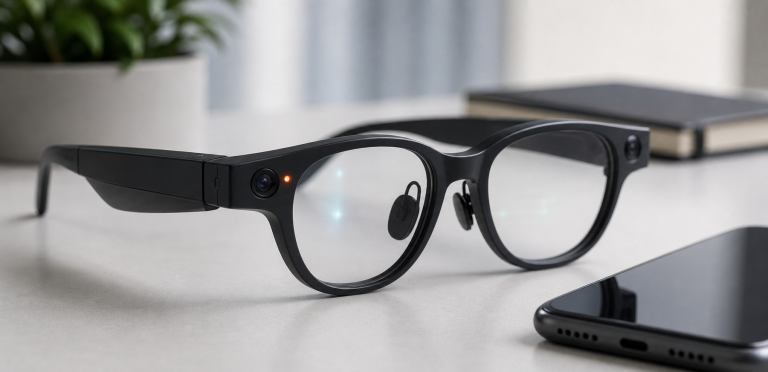
A recording light or capture indicator is a visible signal that appears when camera smart glasses are capturing or preparing to capture media. On camera-equipped smart glasses, this signal is meant to make capture less hidden than a silent phone or body camera.
Buyers should check whether the indicator is visible, when it turns on, whether it works for photos and video, and whether the product has safeguards against covering or disabling the indicator.
Why It Matters
AI glasses make capture easier because the camera sits on the face and can be used hands-free. That convenience creates social risk. People may not know whether a wearer is listening to music, asking an assistant, taking a photo, or recording video.
A visible indicator helps, but respectful use still matters more than hardware design.
Consent Checklist Before Recording
- Do people nearby know you are recording?
- Are you in a private place such as a home, restroom, locker room, clinic, school, or workplace?
- Could audio recording rules apply?
- Are children, patients, employees, or customers involved?
- Does the venue prohibit camera glasses?
- Will you upload, share, or publish the recording?
- Can you use a phone camera instead so the action is clearer?
Where to Be Extra Careful
- Offices and meetings
- Schools and classrooms
- Healthcare settings
- Gyms, locker rooms, and changing areas
- Airports and security checkpoints
- Private homes
- Group runs, rides, and events
Buying Advice
If privacy is a major concern, choose glasses with clear capture indicators, transparent controls, strong privacy documentation, and settings you understand. If you do not need a camera, consider camera-free audio glasses or display glasses instead.
Compare privacy tradeoffs in Smart Glasses Privacy Guide, Can Smart Glasses Record Video?, and Best Smart Glasses with Camera.
What Brands Should Explain Clearly
- When the recording light turns on
- Whether users can disable or cover it
- How audio recording works
- Where media is stored
- How cloud AI processing works
- How to delete recordings
- Whether recordings train AI models
FAQ
Does a recording light mean recording is legal?
No. A light can notify people, but local law, consent rules, venue policies, and privacy expectations may still apply.
Can smart glasses record secretly?
Some products use visible capture indicators, but buyers should understand the exact device behavior and avoid hidden recording.
Are camera-free smart glasses better for privacy?
They avoid the biggest camera concerns, but audio, sensors, apps, and cloud services can still raise privacy questions.